
Short answer: yes, do it before you spend a night there
You should change the locks when you move into a house you didn't build. It's one of the few security steps that's genuinely worth doing on day one, and most people skip it because they assume the old keys are accounted for. They're usually not.
Think about who has held a key to that home over the years: the sellers, their kids, a house cleaner, a dog walker, a contractor, the neighbor who watered the plants, the real estate agent's lockbox, maybe a tenant from before that. Nobody hands all those copies back at closing. The handful of keys you got at the table is just the handful that happened to be lying around. The lock doesn't know the house changed hands. Until you do something about it, every one of those copies still works.
Rekey or replace? Usually rekey
There are two ways to make the old keys useless. You can replace the whole lock hardware, or you can rekey the locks you already have. For most move-ins, rekeying is the right call and it costs a lot less.
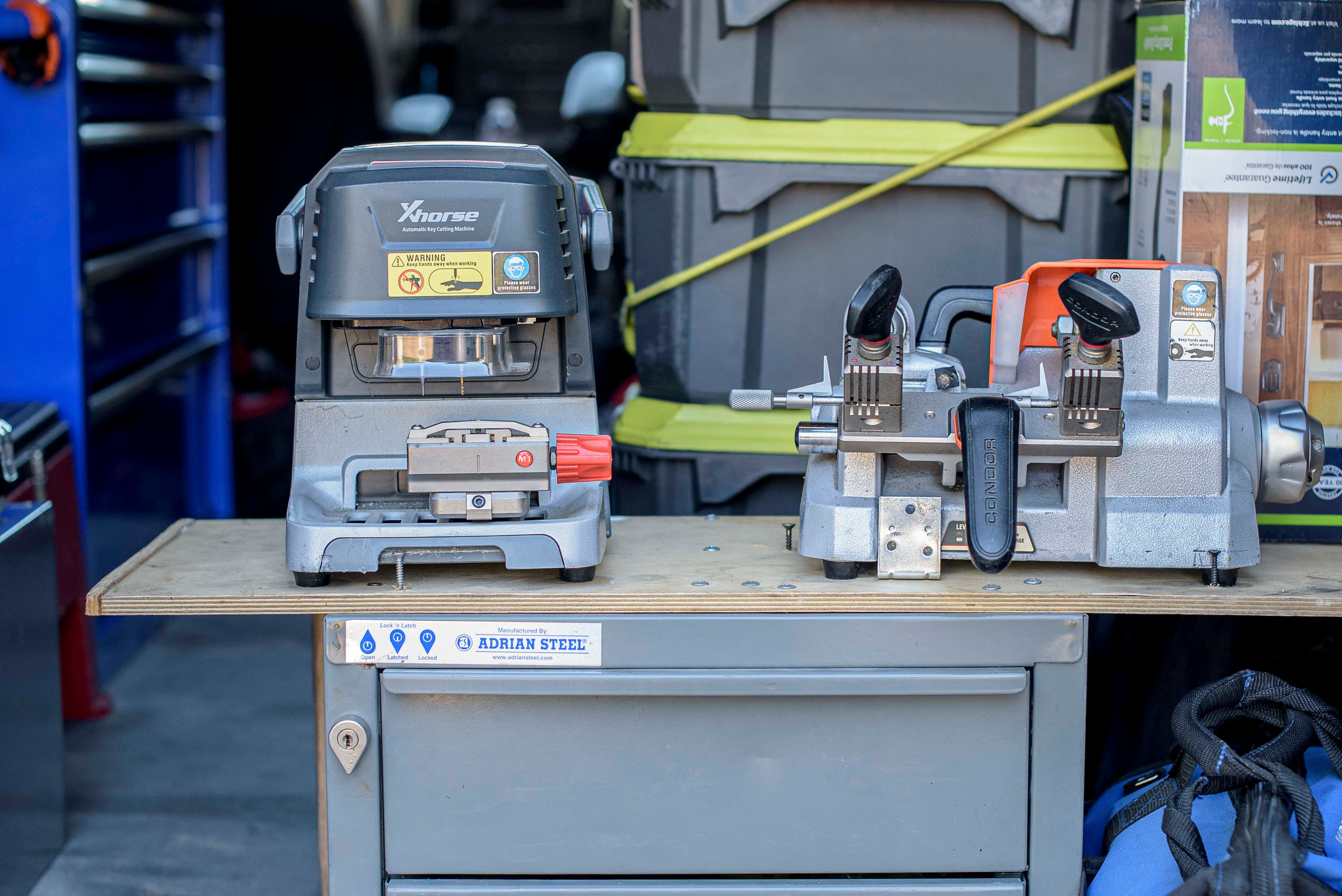
Rekeying means a locksmith opens up the lock cylinder, swaps out the small internal pins, and matches it to a brand-new key. The lock body, the deadbolt, the knob — all of it stays on the door. Same look, same hardware, but every old key that used to work now does nothing. It's faster and cheaper than buying new locks, and the security is identical because the part that matters, the pinning, is brand new.
Replacing the hardware makes sense when the locks are old and sticky, when they're cheap builder-grade units you'd want to upgrade anyway, or when a deadbolt is worn out and grinds when you turn it. It's also the move if you're switching to a smart lock or a keypad. Otherwise, rekey what's there.
One bonus most people don't think about: if your front door, back door, side gate, and garage entry all take different keys, a locksmith can rekey them to a single key during the same visit. One key for the whole house instead of the jangling ring the last owner left you.
What about renters, condos, and brand-new construction?
If you're renting, talk to your landlord or property manager first — in California, plenty of landlords will rekey between tenants, and some are required to by the lease. Don't change a rental's locks on your own without permission, but absolutely ask, and ask whether it was done before you moved in. A reasonable landlord won't push back on a tenant who wants the locks rekeyed at turnover.
Condos and townhomes are usually your responsibility for your own unit door, even when the HOA handles the building. Check your HOA rules, then rekey the unit entry the same as you would a house.
Brand-new construction is the one case where you can sometimes relax — but only sometimes. Builders often use a temporary 'construction keying' setup so trades can get in during the build, and that's supposed to void once the homeowner's key is used the first time. The catch is that not every builder does this, and crews still pass keys around. If you can't confirm exactly how the locks were handled, rekey them. It's cheap insurance on a house you just spent a fortune on.
Don't stop at the front door
People rekey the front door and call it done. The back door, the slider, the garage's exterior entry door, and any gate locks are just as much a way in — and they're the ones the old owners' helpers were most likely to use. Walk the whole perimeter before you decide what needs attention.
While you're at it, check the garage. If the home has a detached or attached garage with a keypad opener, change the code. If there's a wall-mount lockbox left over from the sale, get it off the door.
This is also a good moment to think about whether the existing deadbolts are actually solid. A proper Grade 1 or Grade 2 deadbolt with a strike plate screwed into the door frame's stud — not just the thin trim — does far more for real security than the lock alone. If yours are flimsy, a locksmith can sort that out in the same trip.
What it costs and how long it takes
Rekeying is one of the most affordable jobs a locksmith does. Cost depends on how many cylinders you have and what hardware is on the doors, which is exactly why a free estimate makes sense before anyone touches a screwdriver. A typical house with a few exterior doors is usually a same-visit job that takes well under an hour once we're on site.
You don't need to wait days for an appointment, either. Most rekeys can be handled the same day during business hours, so you really can get it done before that first night.
Getting it done in Thousand Oaks and Ventura County
CLS - Chandler Locksmith Services is a local, mobile shop based in Thousand Oaks, and we cover the Conejo Valley, Ventura County and neighboring Los Angeles County communities, and the west San Fernando Valley. We come to you — Newbury Park, Westlake Village, Camarillo, Simi Valley, Moorpark, and the surrounding towns — so a new-home rekey is a single visit, not a project.
We're licensed and insured (CA BSIS #LCO8562), we do free estimates, and we'll be straight with you about whether your locks should be rekeyed or replaced. If you just got the keys to a new place and want every old copy made useless before you sleep there, give us a call at (818) 454-1047 and we'll get you set up.